

Tourism is one of the global’s fastest-developing industries. Globally, more than 1. Three billion humans traveled across the world ultimate 2022, and that number keeps growing. When it comes to deciding on not just a most popular destination but also shipping and lodging, protection ranks as one of the top issues for most guests. Every visitor wishes for a place to live, and at the same time, as there are numerous lodging options to be had, a large share of visitors will spend at least part of their experience in a motel. In recent years, luxury worldwide accommodations and hotels have become top targets for terrorist organizations that seek to disrupt tourism, in part because of the huge economic damage they can inflict.
The April 21 terrorist attacks in Sri Lanka killed 257 human beings. The attackers targeted three Christian church buildings, which accounted for over two hundred of the fatalities. However, in step with a developing fashion of Islamist terrorist attacks around the sector, three luxury Colombo accommodations (The Shangri La, Cinnamon Grand, and Kingsbury) have been additionally targeted, killing 39 people and wounding many others. Hotel and lodge guests and a team of workers have also been attacked in Pakistan, Indonesia, India, the USA, Turkey, Tunisia, Burkina Faso, Jordan, the Philippines, Egypt, and Mali.
Related articles


The resorts and motels centered were high-giving in maximum instances, attracting travelers from a couple of international locations. The tourism industry takes safety seriously. Following the 9-11 attack in September 2001, worldwide airlines and airports upgraded safety for all airways and airports around the world. The International Maritime Organisation has additionally established strict worldwide protection and protection protocols making use of to all cruise operators. However, there aren’t any globally enforceable requirements of safety that apply to the accommodation quarter. All those come below the jurisdiction of the United Nations.
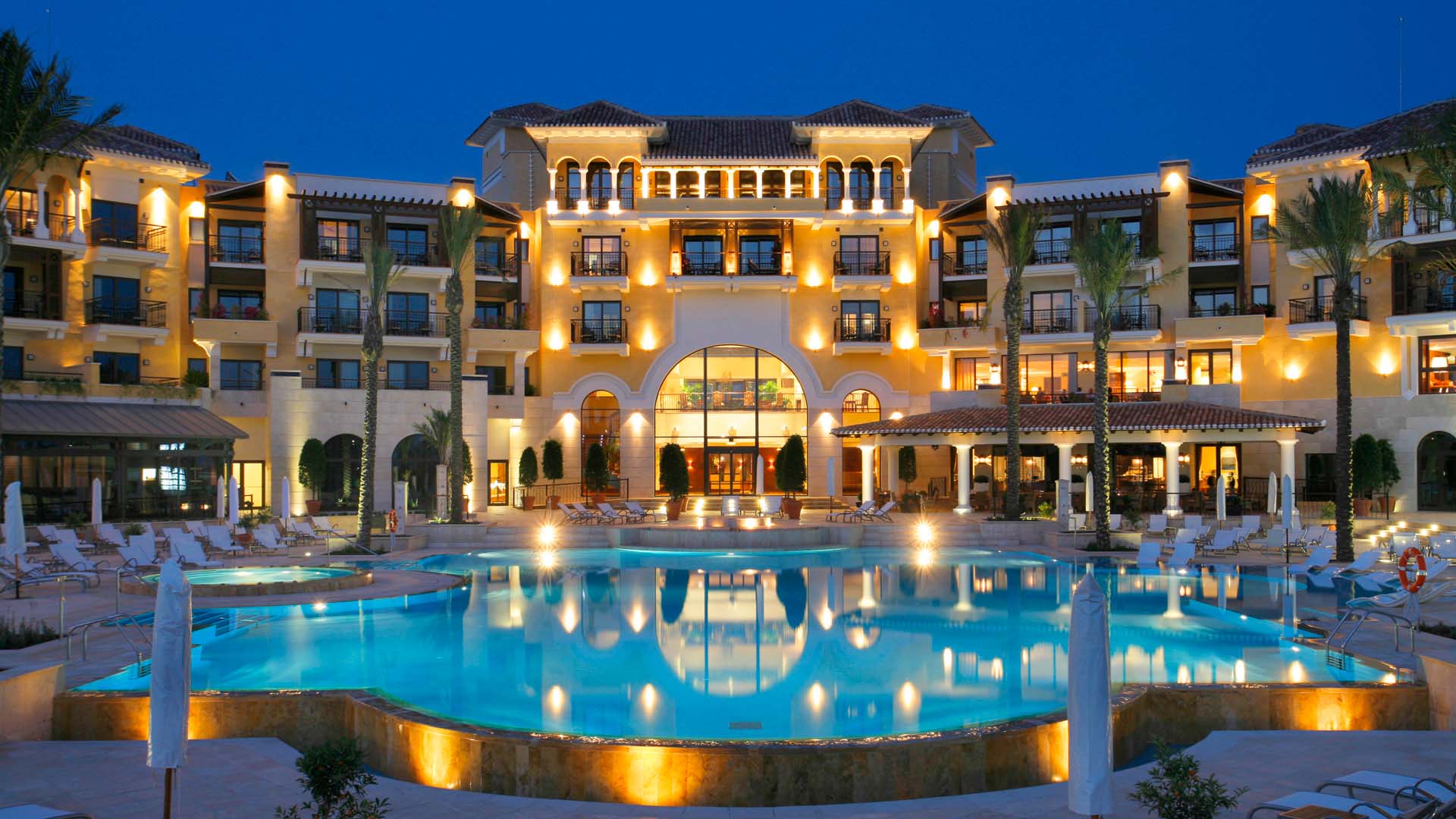
Why is accommodation special?
Increasingly, the bigger worldwide hotel chains — led by Intercontinental Hotels Group, Hilton International, and Accor — have sought to introduce more desirable safety measures to their resorts and inns. One motive for this is that there are many kinds of accommodation ranging from Airbnb, private guesthouses, pubs, lodges, caravan parks, and luxurious accommodations and lodges. Consequently, it’s nearly impossible to establish a fixed set of protection protocols that may effortlessly apply to all. The International Hotels and Restaurants Association, which is the global body for the lodging sector, lacks any global governance energy to impose a fixed of safety requirements.,
Screening interrupts a heat welcome.
Hotel guests have traditionally resisted private and bag screening, which they tolerate at airports, cruises, or even global rail stations. For many hoteliers, invasive screening conflicts with an extended way of life of extending welcoming hospitality for all. However, that equal open and alluring method has made inns a smooth target for terrorists. Increasingly, those inns which are probable objectives of terrorists and criminals have sought to introduce technological processes to screen visitors and their bags that aren’t always individually invasive — security with a grin. Many accommodations are now signing up for certification from non-public protection agencies, which include Sweden-based SafeHotels


